Digital Wellness Reset: How to Break Free from Screen Overwhelm
If you check your phone before you're fully awake, this guide is for you. A complete digital wellness reset — audit your apps, set phone-free windows, and build habits that actually stick.

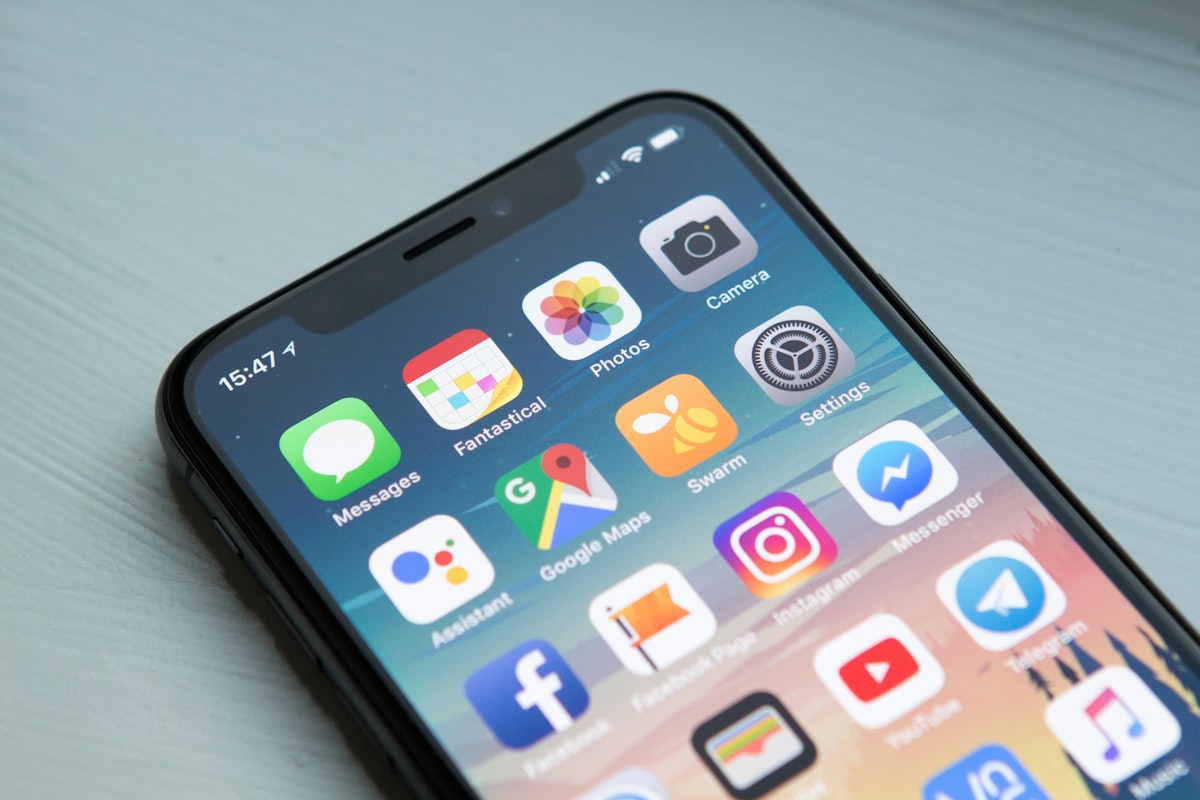
You already know you're on your phone too much.
You don't need a statistic to confirm it. You feel it — in the phantom buzzes you check when nothing's there, in the 20-minute scroll sessions you don't remember starting, in the way you reach for your phone before you've said a word to anyone in the morning.
The problem isn't willpower. Your phone is engineered by some of the world's most sophisticated attention researchers to keep you on it as long as possible. You are not losing a fair fight.
But you can change the terms.
A digital wellness reset isn't about quitting social media or deleting your apps in a fit of frustration only to reinstall them three days later. It's about building an intentional, balanced relationship with technology — one where you use it as a tool, instead of being used by it.
Here's how.
Signs You Need a Digital Reset
Be honest about where you are. These are the most common signs of digital overload:
- You check your phone first thing in the morning before you've fully woken up
- You feel anxious when your phone isn't nearby
- You open apps out of habit, not intention — Instagram → TikTok → email → Instagram again
- You experience phantom vibrations — feeling your phone buzz when it hasn't
- You go to bed later than planned because of your screen
- You feel more tired after scrolling, not less stressed
- You're physically present in a conversation but mentally half-checked out
- You feel a vague but persistent sense of comparison or FOMO after using social media
If two or more of those land, a reset will make a real difference to how you feel day to day.
The 5-Step Digital Wellness Reset
Work through these steps in order. Each one builds on the last.
Step 1: Audit Your Screen Time
Before you can change your habits, you need to see them clearly.
On iPhone: Settings → Screen Time → See All App & Website Activity On Android: Settings → Digital Wellbeing → Dashboard
Look for:
- Your total daily screen time average
- Which apps take up the most time
- How many times per day you pick up your phone
- What time of day you use your phone most
Don't judge what you find. This is information, not a verdict. Most people are shocked — the average adult spends over 4 hours on their phone daily, much of it passive and unintentional.
Write down your three highest-usage apps and your average daily screen time. These are your starting points.
Step 2: Delete, Limit, or Relocate Distracting Apps
Now you know where your time is going, you can make deliberate choices about it.
Delete anything you don't actually want to be using. If an app drains your energy every time you open it and you'd feel relieved without it — delete it. You can always reinstall it. The friction of reinstalling is actually part of what makes this effective.
Limit apps you want to keep but use more intentionally:
- iPhone: Settings → Screen Time → App Limits → set daily limits per category
- Android: Settings → Digital Wellbeing → App Timers
A useful starting limit: 30 minutes per day on social media. It sounds restrictive. It's actually plenty for intentional use.
Relocate apps that trigger mindless opening. Move them off your home screen into a folder on page two or three of your phone. The extra two seconds of friction reduces habitual opening by a surprising amount. Some people move distracting apps into a folder labelled "Tools" — using the label itself as a pattern interrupt. "I'm opening this with a purpose, not out of reflex."
Step 3: Set Phone-Free Windows
This is the most impactful change you can make — and the most resisted.
Phone-free windows are specific times of day when your phone is physically out of reach or in a different room. Not silenced. Not face-down. Out of reach.
The three windows that make the biggest difference:
Morning — the first 30 to 60 minutes after waking This is when your brain is most impressionable. What you feed it first shapes your mood, attention, and anxiety levels for hours. Checking social media or news first thing puts you in a reactive state before your day has even started.
Replace it with: water, movement, or journaling before your phone.
Meals Eating without a screen is one of the quickest ways to reduce mindless consumption — of both food and content. It gives you genuine decompression time and makes meals feel like actual breaks rather than scheduled scrolling sessions.
Last 30 to 60 minutes before bed Blue light from screens suppresses melatonin production, delaying sleep onset. More importantly, the emotional stimulation of social media, news, and messaging keeps your nervous system alert when it should be winding down.
Replace it with: reading, stretching, a short journal entry, or simply lying in the dark.
Start with one window. Master it for a week. Then add the next.
Step 4: Turn Off Non-Essential Notifications
Every notification is a tiny demand on your attention — a small interruption that pulls your brain out of whatever it was doing. Research from Microsoft suggests it takes an average of 23 minutes to fully refocus after an interruption.
Most notifications are not urgent. Most are not even important. They are, largely, other people's priorities delivered directly to your concentration.
Keep notifications on for:
- Phone calls and texts from people you care about
- Calendar reminders and alarms
- Any app you've decided to check intentionally (banking, navigation)
Turn off notifications for:
- All social media apps
- News apps
- Email — check it on your schedule, not when it pings
- Shopping apps
- Games
- Engagement notifications from any platform (likes, comments, new followers)
How to do it:
- iPhone: Settings → Notifications → go through each app one by one
- Android: Settings → Notifications → App Notifications
This takes about 10 minutes. The impact on your focus and calm is immediate.
Step 5: Create a Digital Sunset Routine
A digital sunset is a set time each evening when screens go off and stay off. It signals to your brain that the day is done, rest is coming, and there is nothing left to respond to.
Choose a time — 9pm is common, but adjust to your actual bedtime. From that point onwards, your phone goes on Do Not Disturb and, ideally, into another room or a drawer.
Your digital sunset routine might look like:
- Final message check at 9pm
- Enable Do Not Disturb
- Phone on charge in the kitchen or hallway — not your bedroom
- 10 minutes of light stretching or reading a physical book
- Sleep
The first few nights will feel uncomfortable. That discomfort is exactly what you're addressing — the compulsion to check something you don't actually need to check. Let it pass. It does.
The Digital Declutter Checklist
Run through this once a month to keep your digital life clear:
Apps
- [ ] Delete unused apps (check your storage — anything unopened in 3 months goes)
- [ ] Reorganise home screen to only what you use intentionally
- [ ] Review and update app time limits
- [ ] Unsubscribe from newsletters you skip over
- [ ] Archive or delete emails older than 6 months
- [ ] Create 3 folders: Action Required, Reference, Archive
Social Media
- [ ] Unfollow accounts that consistently make you feel worse
- [ ] Mute accounts you can't unfollow but don't want to see
- [ ] Review your Following list — does it reflect who you actually are now?
Phone Storage
- [ ] Delete screenshots you no longer need
- [ ] Back up and delete photos taking up space
- [ ] Clear browser history and cached data
Subscriptions
- [ ] Review all digital subscriptions — cancel what you don't actively use
- [ ] Check for free trials that converted to paid without your notice
Sustaining It Week by Week
A one-off reset is useful. A weekly check-in is what makes it last.
Add 5 minutes to your Sunday reset routine:
- Check your screen time stats for the week
- Did you stay within your app limits?
- Were your phone-free windows consistent?
- Is there anything to delete, unsubscribe from, or adjust this week?
Five minutes of honest reflection keeps the reset from slowly unravelling — the way these things tend to do when there's no maintenance built in.
You're Not Anti-Technology. You're Pro-Attention.
A digital wellness reset isn't about hating your phone or pretending social media is entirely bad. It's about deciding that your attention is valuable — and choosing, deliberately, where it goes.
Your phone is a tool. One of the most powerful communication, creativity, and productivity devices ever built. When you use it with intention, it's extraordinary.
When it uses you, you end up tired, distracted, and wondering where the evening went.
You get to choose which one it is.
Start tracking your digital wellness habits today. Download our free habit tracker and add "phone-free morning" and "digital sunset" as your first two habits. Small commitments, done consistently, change everything.
Get weekly systems that keep you consistent
Join the newsletter for practical organization, habits, and productivity frameworks.
Join on KitRelated guides
View all posts →
Fall Reset: How to Refresh Your Home and Routine for the New Season
A calm fall reset for your home and your routine — a room-by-room refresh, a cozy-but-not-cluttered decor plan, and a simple seasonal routine to start the new season organized. Free printables included.

Budgeting for Beginners: The Complete Step-by-Step Guide to Your First Budget
Never budgeted before? Build your first budget step by step — methods, sinking funds, a monthly checklist, and the tips that make it stick.

How to Start Your Debt Free Journey This Month (Even on a Low Income)
Starting a debt free journey feels overwhelming. This step-by-step guide covers where to begin, snowball vs avalanche, and how to stay motivated to the end.